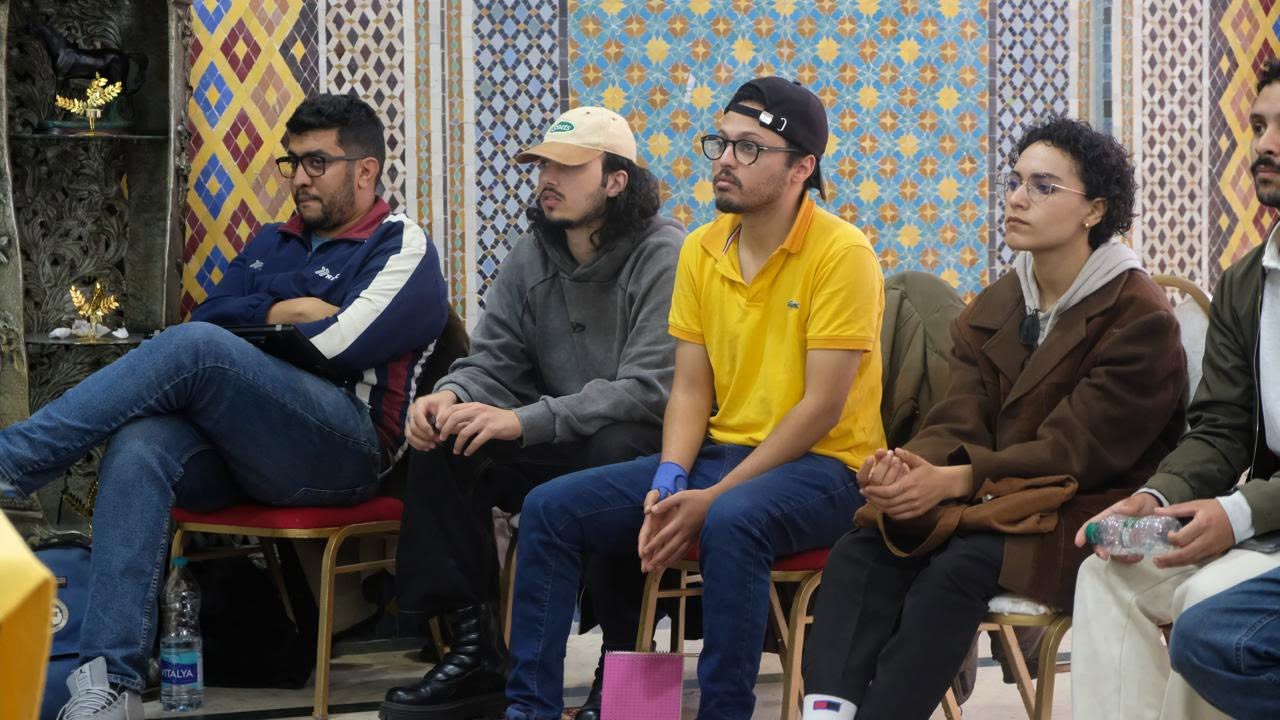
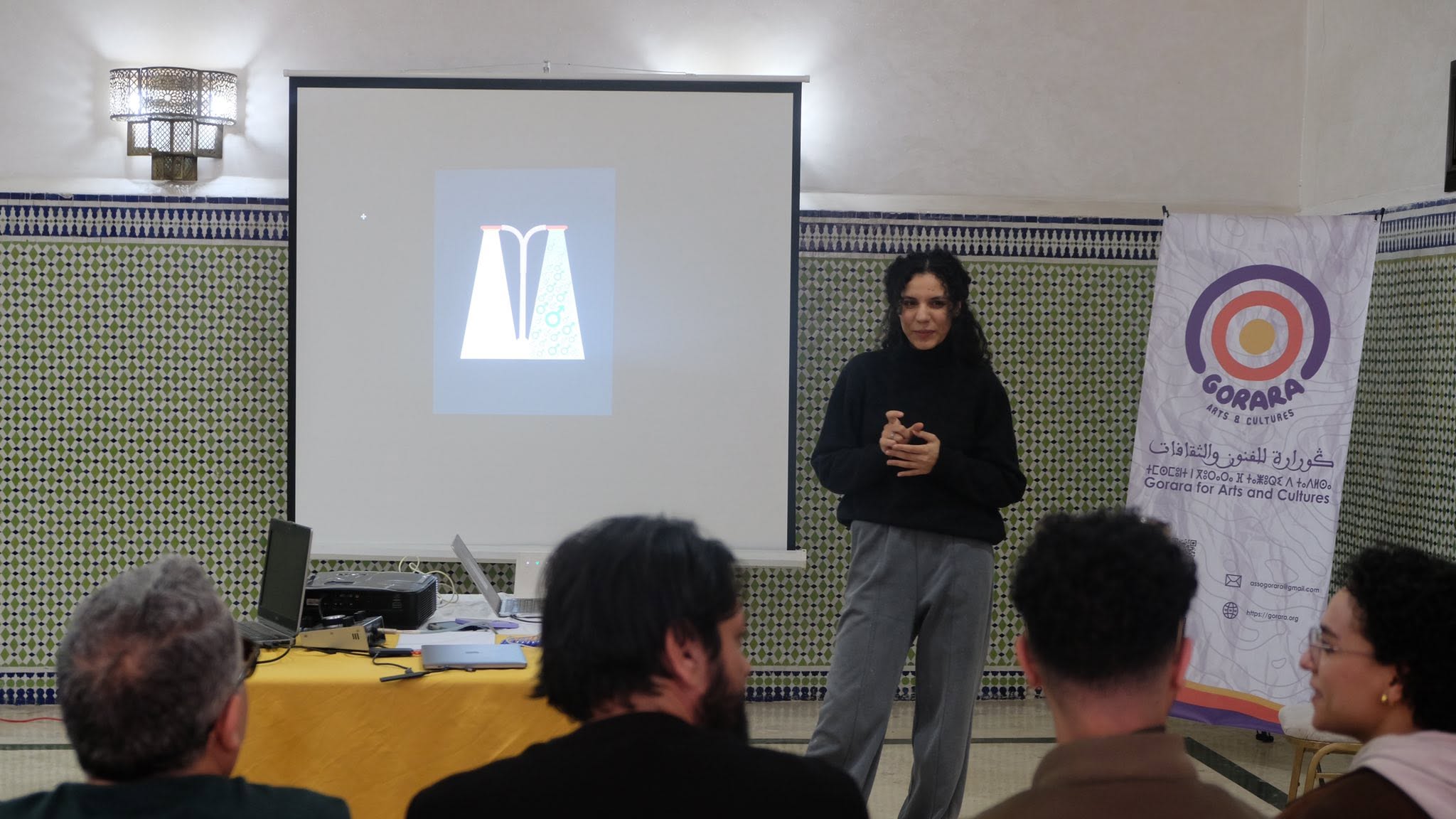
A space dedicated to artists, to explore how their creative practices can engage with social reality, challenge dominant narratives, and open new horizons for dialogue.
Anyone closely following the cultural scene in Morocco can see that, despite the efforts made, public policies and programs still do not give the cultural and artistic field the value it truly deserves — whether in terms of development strategies, the human, technical, and financial resources allocated to it, the development of programs and operating methods of available institutions and infrastructure, or even the legal framework that governs it.
Added to this is a clear weakness in coordination between cultural and artistic initiatives: unlike other fields, such as human rights associations or cooperatives, Morocco lacks a network or coalition of cultural and artistic associations with real proposal-making and advocacy power.
This reality leads us to question the possibility of networking and joint work between artistic dynamics and individuals, especially since artistic practice and cultural engagement are tied to a number of questions — perhaps the most important being that of creative freedom, and the extent to which this freedom interacts with, and influences, its social environment.
It therefore seems necessary to work on developing the cultural and artistic field in Morocco by creating new, alternative working spaces that deepen critical thinking among cultural actors on one hand, and open new horizons for artists on the other.
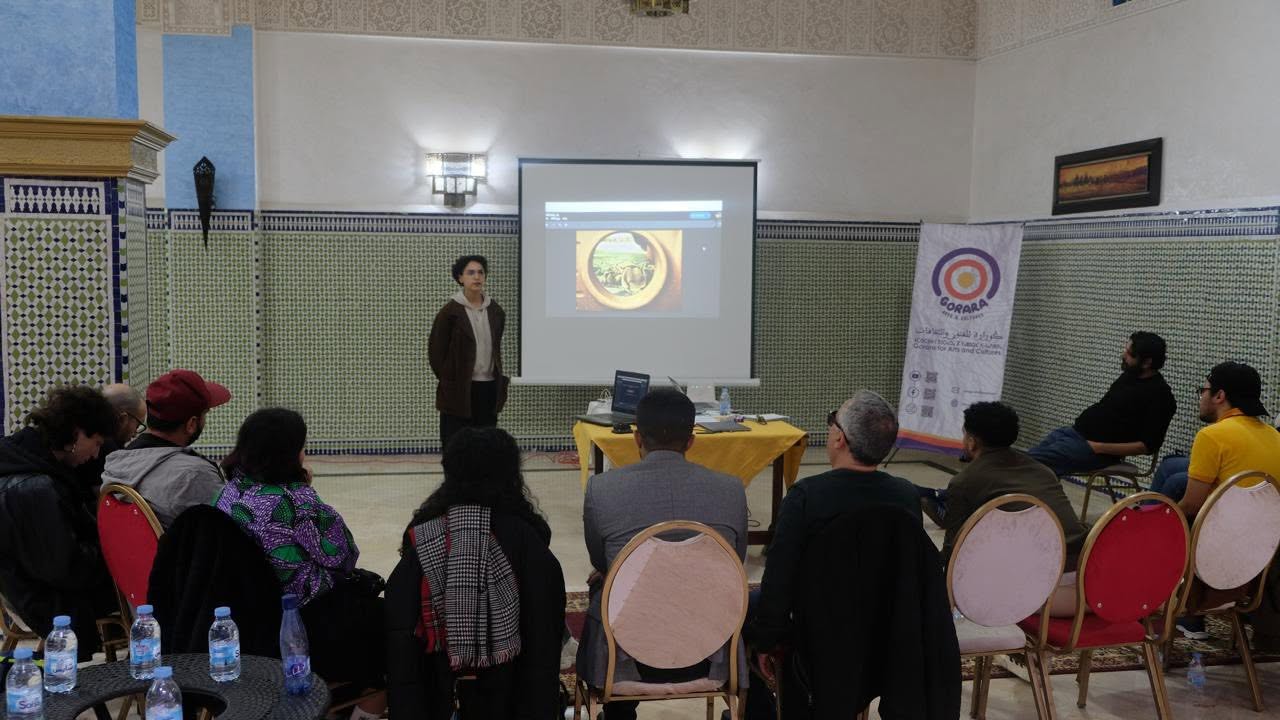
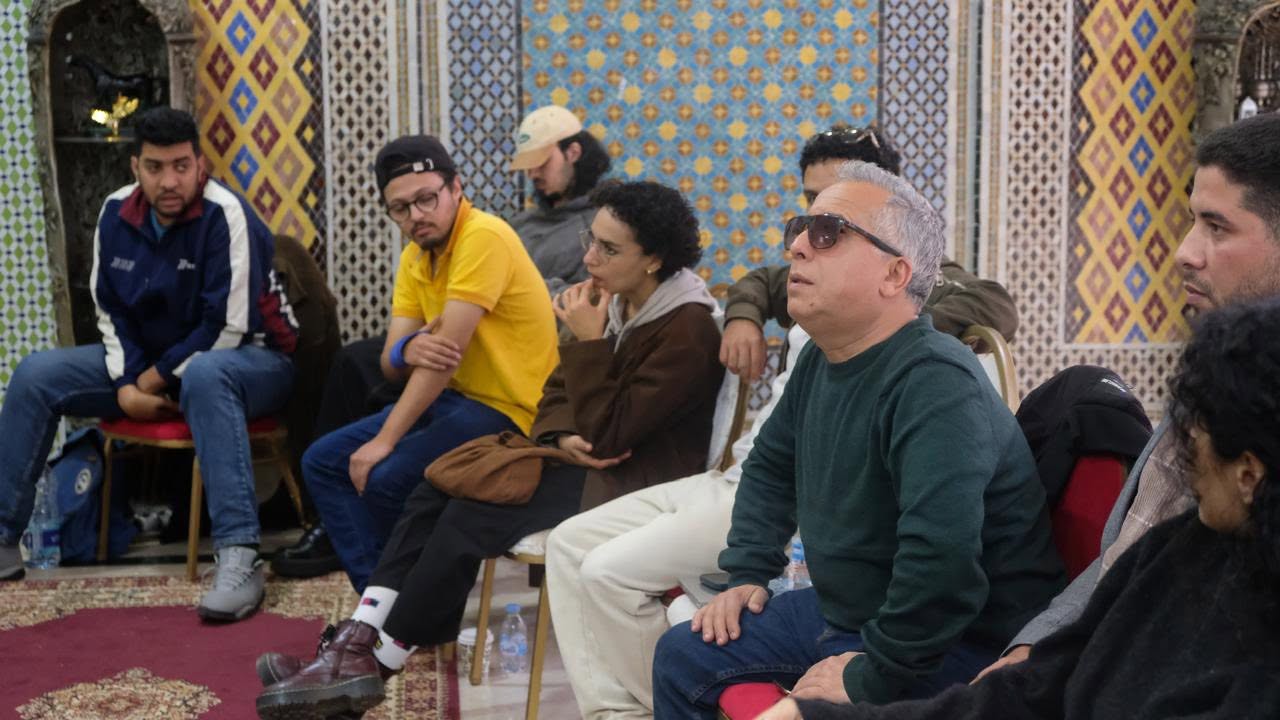
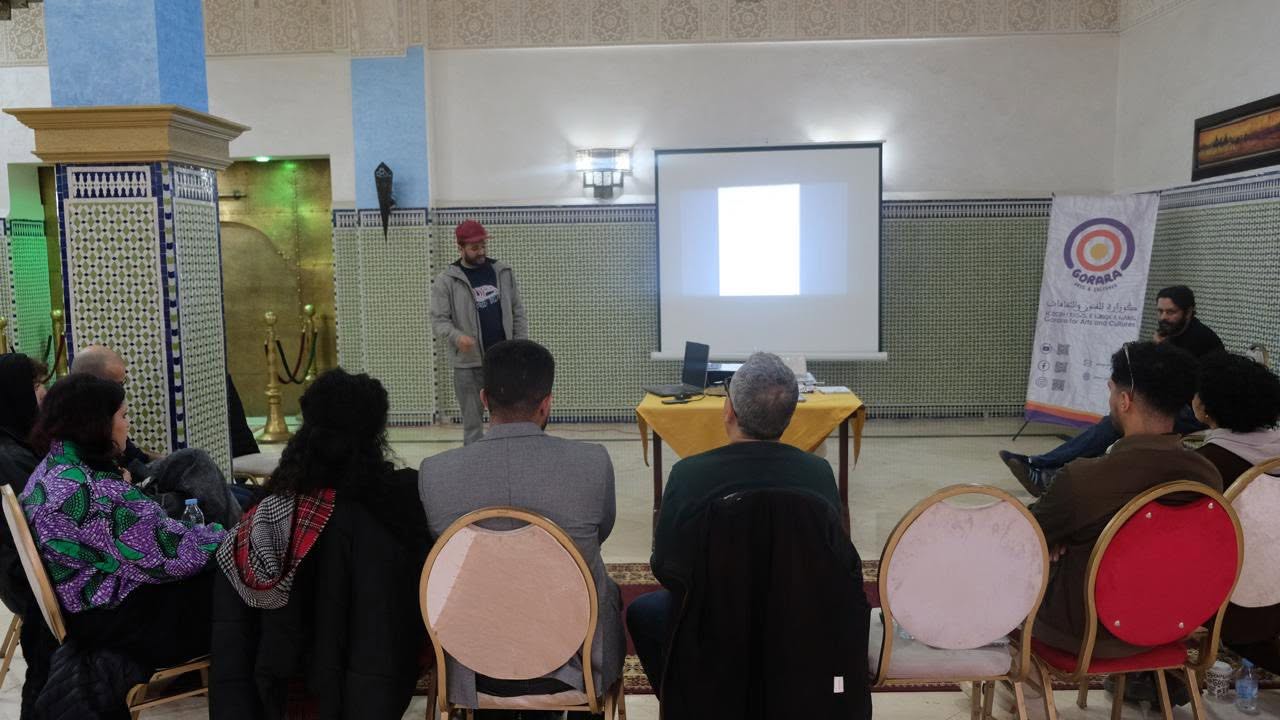
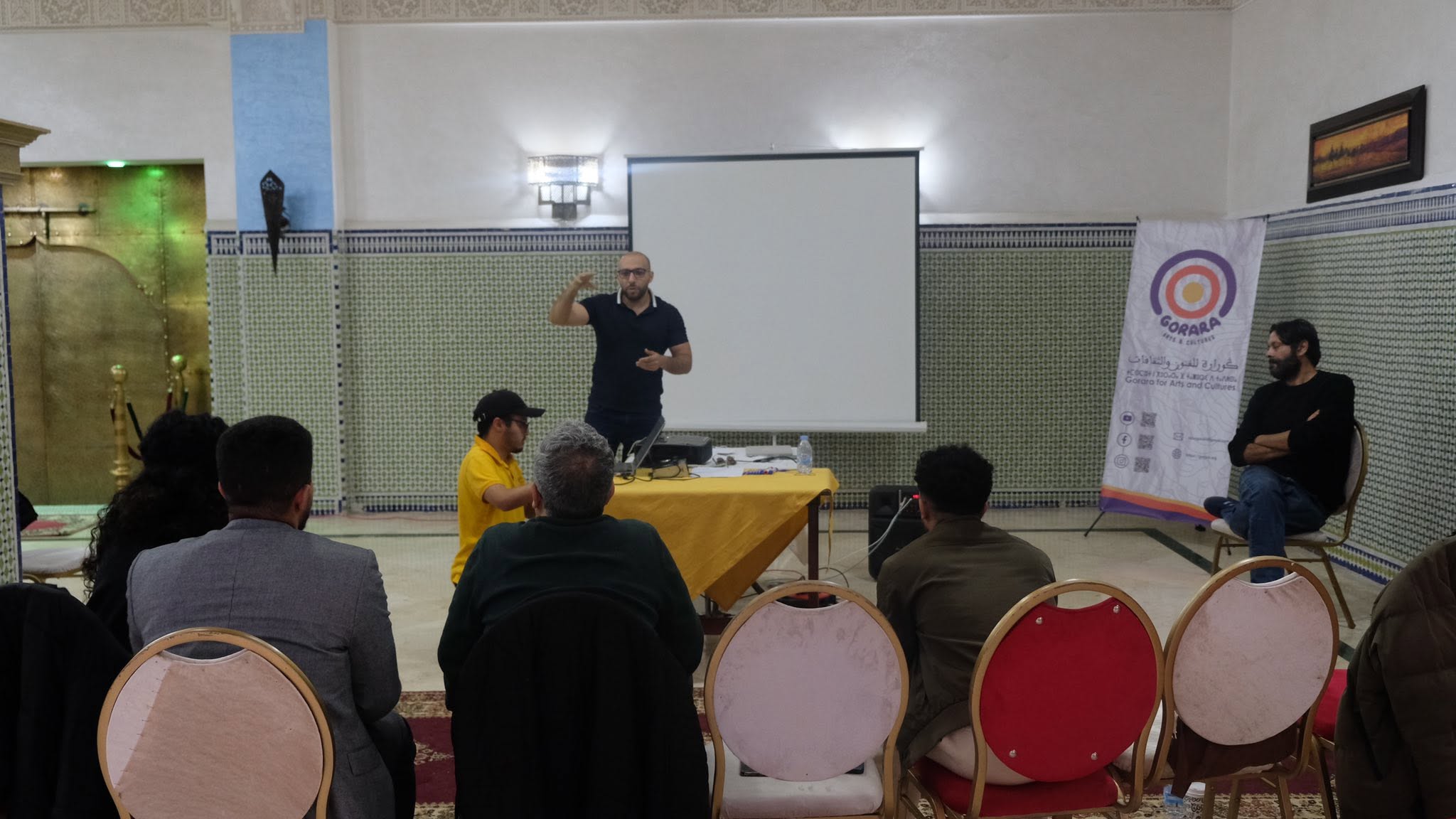
This is the spirit in which the Art and Social Change Laboratory was created — a space dedicated to artists, to explore how their creative practices can engage with social reality, challenge dominant narratives, and open new horizons for dialogue.
These artists see their work as a way to raise questions, spark discussion, and imagine new possibilities — but they often work in isolation, without sufficient resources, recognition, or support networks.
The laboratory aims to break this isolation by creating a shared space for experimentation, mutual learning, and collective work.
Through the development of new forms and content in participatory social art.
Through the sharing of resources, tools, and knowledge among artists.
By strengthening points of convergence between themes, approaches, and audiences, to build more inclusive and impactful practices.